







Help your child feel more prepared for spring
| Attack Asthma is our call for you to be proactive about asthma.
Don’t wait for your child to have an asthma attack. |
Asthma causes inflammation and swelling inside the lungs. This makes the airways very sensitive. When something triggers a child’s asthma, the airways tighten and it becomes harder to breathe.
If suited for your child, Attack Asthma with anti-inflammatory inhalers to calm down the lungs before a flare-up is triggered.
Spring can be challenging time for asthma
Pollen, hay fever and changing weather conditions can trigger asthma symptoms and flare-ups.
If your child has asthma and hay fever, managing both conditions is an important part of staying well during spring. Knowing your child’s triggers, having an up-to-date Asthma Action Plan and reviewing their asthma treatment can help your family feel more prepared.
High pollen days can also increase the risk of thunderstorm asthma during grass pollen season. While thunderstorm asthma is uncommon, following your child’s Asthma Action Plan and understanding their triggers can help you take action early if symptoms change.
Spring is the perfect time to check how well your child’s asthma is controlled, review their treatment with their doctor and make sure their Asthma Action Plan is up to date.
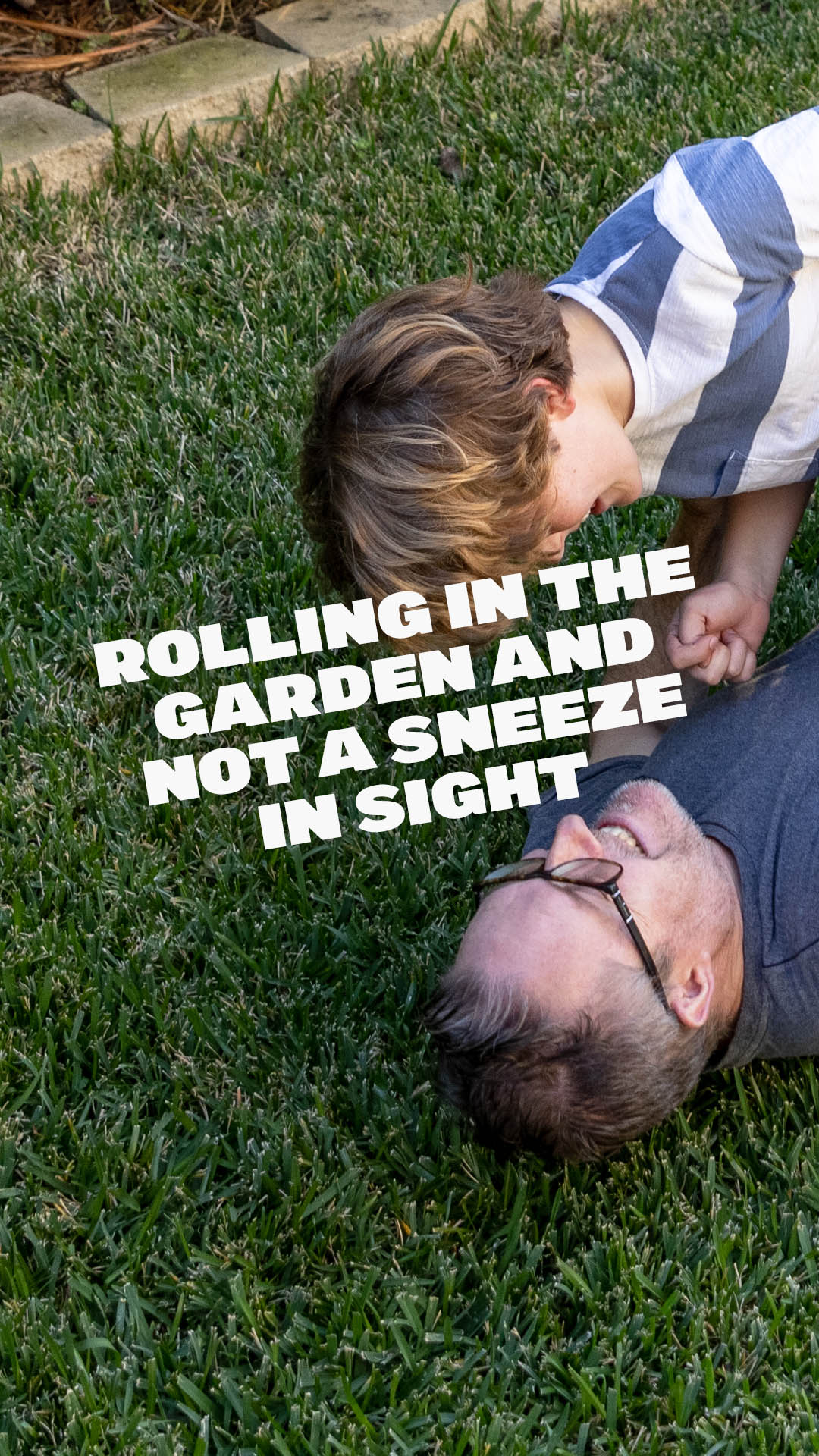 |
 |
 |
Having a child with asthma can feel uncertain
By taking a few simple steps now, you can feel more confident and prepared for the season ahead, so asthma doesn’t get in the way of your child enjoying spring.
Here’s how you can Attack Asthma this spring:
Start with an asthma control check
Asthma symptoms can change over time. A short online questionnaire can help you understand how well controlled your child’s asthma has been recently.
After completing the questionnaire, you will receive an asthma-control result and information about possible next steps.
An online questionnaire does not diagnose asthma or replace advice from your child’s doctor. If you are worried about your child’s breathing, seek medical help.
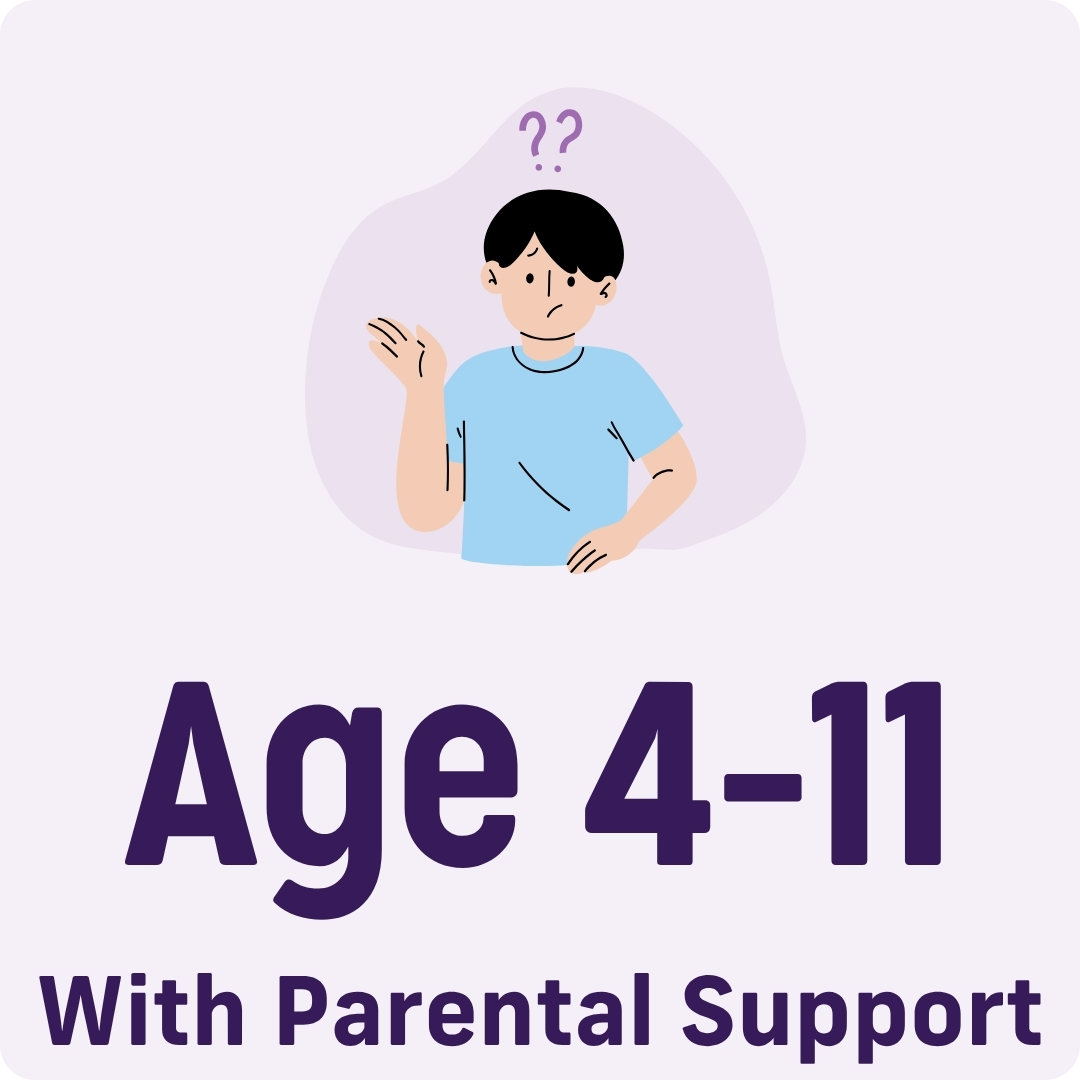
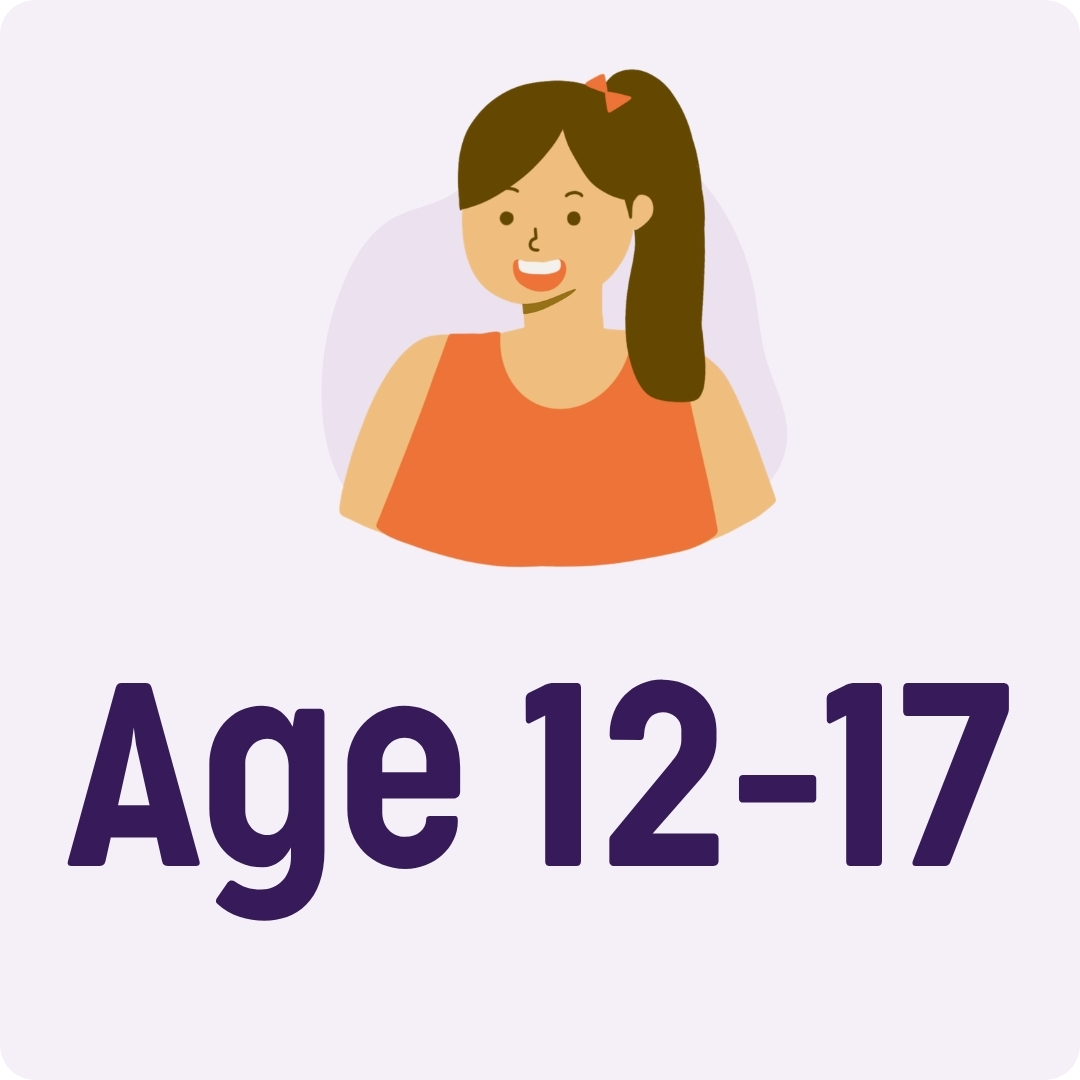
By checking in on your asthma score this season and completing one of the above Asthma Control Tests, you have the chance to win 1 of 10 White Magic Chemical-Free Spring Cleaning Bundles. Terms and conditions apply.
To get more information about White Magic’s range of asthma friendly cleaning products visit https://whitemagic.au/pages/asthma-australia

Practical ways to prepare for spring
Review asthma treatment with their doctor
Spring is a good time to discuss your child’s asthma and hay fever treatment with their doctor and ensure their Asthma Action Plan is up to date.
Asthma and your child’s lungs
Asthma causes inflammation and swelling inside the lungs. This makes the airways very sensitive. When something triggers a child’s asthma, the airways tighten and it becomes harder to breathe.
A blue puffer might not be enough on its own
A blue puffer relaxes the airway muscles so you can breathe more easily. But it does not treat the swelling underneath. Treating that inflammation helps stop future flare-ups and asthma attacks.
That’s why all kids 12 and over with asthma should have some kind of anti-inflammatory inhaler, not just a blue puffer. Many kids under 12 also need anti-inflammatory treatment in the form of a preventer inhaler. This helps stop their lungs from getting sensitive, and triggering asthma symptoms.
 |
 |
 |
Manage hay fever during pollen season
If your child has asthma and hay fever, managing both conditions is important during spring. Speak with your doctor or pharmacist about the best options for your child and check their Asthma Action Plan before pollen season peaks.
Tools to Attack Asthma
The following asthma resources are helpful for kids with asthma.
 |
 |
 |
Asthma Action Plan
The Asthma Action Plan is like an instruction manual for your asthma written by your doctor. It tells you what to do to manage your child’s asthma – what to do when it is well controlled, flaring up or what to do when they are very unwell. Following an Asthma Action Plan as instructed by the doctor will help prevent your child’s asthma from getting out of control.
The Asthma Action Plan should also be given to your child’s school, so they know what to do if your child’s asthma flares-up.
Everyone with asthma needs their own Asthma Action Plan.
Download Your Child’s Asthma Action Plan Template Here
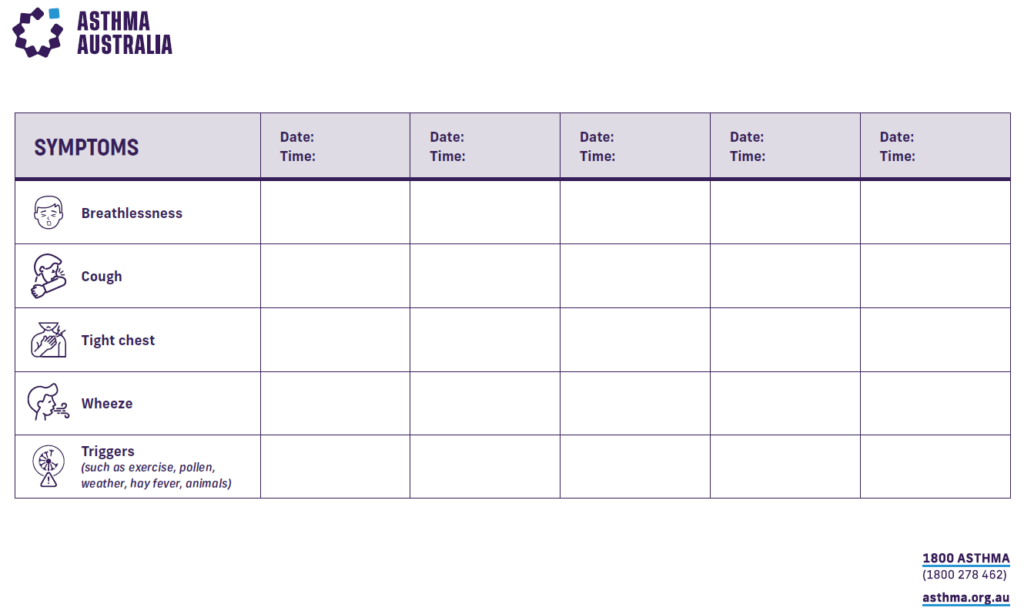
Asthma Review – Symptom Tracker
Be proactive by booking asthma reviews in advance.
Asthma management should be reviewed with the doctor every six months for kids and yearly for adolescents and adults (unless asthma symptoms or medicines have changed).
To prepare for an Asthma Review, try to keep a diary of your child’s symptoms. You can do this in your phone calendar app, notes app or can download our symptom tracker here.
Videos
We know that sometimes kids prefer to learn from online videos, or simply from someone other than Mum and Dad – shocker! We have a bunch of videos that explain different parts of asthma and asthma management on the Asthma Australia YouTube channel:
Talk to an Asthma Educator
Sometimes you need to speak to a real person to get your asthma questions answered. You can call an Asthma Educator for free on 1800 ASTHMA (1800 278 462) or book a call at a time that suits you.
Our Asthma Educators can answer all the questions you have about managing your child’s asthma, like preventer use in kids, managing asthma attacks, asthma at school, what to do post-hospital visit and so much more.
Book a call with an Asthma Educator
You can also speak to your doctor or pharmacist for medical advice on how to best treat and manage your child’s asthma.
Want to hear more? Join onAir
The onAir newsletter is a brief email that shares handy asthma tips and information. onAir has you covered with the asthma information you need year-round, whether the kids are heading back to school, coming into winter or are dealing with allergens and asthma in spring.
Acknowledgement
Asthma Australia acknowledges the support of the Australian Government’s Quality Use of Diagnostics, Therapeutic and Pathology Program for the Attack Asthma Consumer Health Literacy campaign.
Last updated: 23 September 2026