








| You and your child should never have to ‘tolerate’ severe asthma. Now thanks to new biologic medicines, we have things that can help! Options have remarkably improved since even five years ago, when the choices were poor asthma control, or repeated oral steroid use. | 
– Dr Shiv Shanthikumar |
Severe asthma in kids
Is your child struggling with asthma, even with strong medicine? We understand how scary it can be, but don’t worry, help is available. Now more than ever, there are services and medicines available to ensure that we can achieve good asthma control and quality of life for all children.
Our friendly team is just a phone call away at 1800 ASTHMA (1800 278 462). Our Asthma Educators are happy to chat with you or your child about severe asthma and how to manage it.
What is severe asthma in kids?
While asthma is quite common, severe asthma is rare in kids. Kids with severe asthma will still have asthma symptoms and asthma attacks even though they take high dose asthma treatment.
What should I do if I think my child has severe asthma?
Seeing a specialist is key . Your doctor can refer you to a special kids’ lung doctor who knows all about kids’ asthma. They are usually called a Paediatric Respiratory Specialist. They’ll organise tests to confirm that it is asthma and rule out other causes. Sometimes symptoms can seem like asthma but are actually something else. Once the doctor knows what’s going on, they can figure out a plan to try to improve your child’s asthma. This might include changing medicine and updating your Asthma Action Plan. They will help you identify any triggers and give you ideas for how to reduce them. They might also look for and treat other conditions, like hay fever, which could be making your child’s asthma worse.
The doctor will also check that your child is taking their current treatment the right way. Asthma puffer and inhaler technique are very easy to get wrong. You can help your child by making sure they use them each day as prescribed. Their technique (or your technique if you do it for them) should also be double checked. Your doctor, chemist or asthma nurse can help with this, or you can call our 1800 ASTHMA (1800 278 462) line to talk it through.
What treatments are there for kids with severe asthma?
Just like adults with asthma, kids with severe asthma use inhalers to open their airways fast and prevent future attacks. But even with strong medicine, some symptoms may still linger. However, new, targeted therapies are being developed. Your child’s specialist will help find the right treatment to give them the best chance of thriving
Combination Preventers
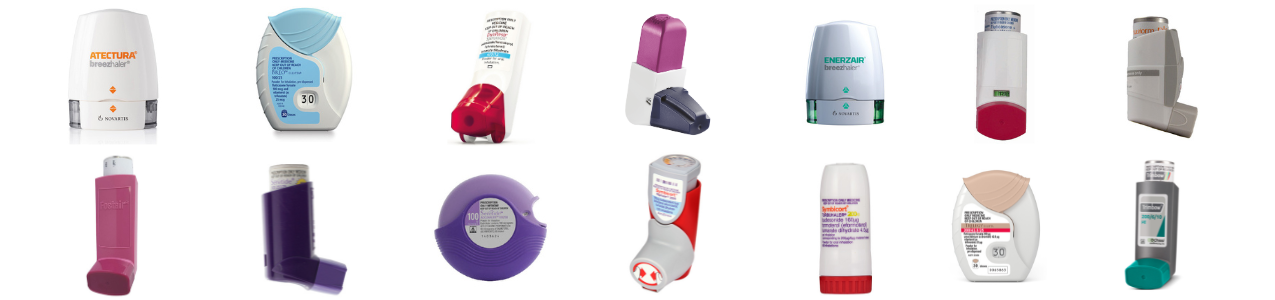
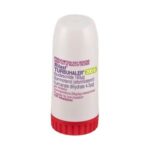
Kids with severe asthma will often be prescribed a combination preventer. Combination preventers work by reducing the inflammation and sensitivity of the airways with an inhaled corticosteroid and relaxing the airway muscles and keeping them open for a long time with a long-acting reliever.
Maintenance and Reliever Therapy
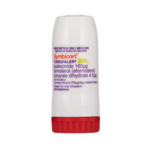
For some older kids (usually age 12+) moving to a Maintenance and Reliever Therapy program might be recommended. This means using a combination inhaler or ‘Anti-inflammatory reliever’ as both their preventer (maintenance) and reliever treatment (instead of a blue reliever inhaler).

Add on: Tiotropium
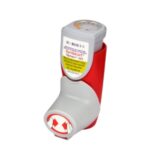
Some kids with severe asthma may be prescribed Tiotropium as an add-on treatment. This is an option for kids with severe asthma when asthma is still not well controlled, even when other medicines have been tried and inhaler technique is good. It must be used alongside a daily combination preventer and the child must be seen by a specialist.
Oral steroids
Liquid oral steroids are often given to kids with severe asthma to treat their flare-ups and can help a lot. But long-term use can be harmful. Your child’s doctor will take care and only prescribe them if they need to.
Biologics: Monoclonal antibodies
New targeted treatments are both here and on the way. These special medicines, called “biologics”, target very specific problems in your child’s airways.
They are given via injection every few weeks. Some can be given at home with a prefilled pen/syringe.
Your child will have to meet specific criteria to get these prescribed, such as their type of asthma, allergy and age. To find the right one for their asthma type, their doctor will need to take a blood test. Some are available on the PBS for age six and up, while others can be used from age 12.
Available for ages 6+
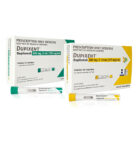
- Dupilumab
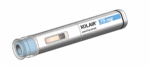
- Omalizumab
Available for ages 12+
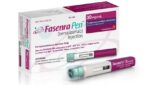
- Benralizumab
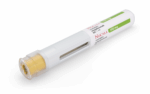
- Mepolizumab
| You’re not alone. With the right help, your child will breathe better and not be held back by their asthma. |
Join our severe asthma mailing list for people with asthma