






 1800 278 462
Add-On Medicines
MONTELUKAST
Brand names include: Lukair, Lukafast, Montelukast Sandoz; Montelair, Montelukast-WGR, Montelukast INTAS, Montelukast LUPIN, Montelukast VIATRIS, Singulair.
Active ingredient name is montelukast sodium

HOW DOES MONTELUKAST HELP ASTHMA?
Montelukast helps asthma by blocking substances in the lungs called leukotrienes. Leukotrienes cause narrowing and swelling of airways. Blocking leukotrienes improves asthma symptoms and helps prevent asthma attacks, as well as reducing hay fever symptoms.
- Montelukast is used as a preventer medicine, on its own or in combination with other preventers like inhalers containing corticosteroids. It should not be used as a reliever to treat an asthma attack.
- Montelukast can be considered as an add-on treatment for teenagers and adults , and is a treatment option for people with aspirin-exacerbated respiratory disease.
- Montelukast is a non-steroidal preventer option for children aged 2 years and over, it comes in a chewable tablet.
Montelukast starts to work within a day but can take days to weeks of consistent use to show improvement.
After starting a treatment trial with a new medicine such as montelukast, your doctor should review your response to treatment within 3-12 weeks.
POSSIBLE SIDE EFFECTS OF MONTELUKAST
Montelukast has been associated with neuropsychiatric disorders in all age groups and carries a warning label in Australia, stating:
‘WARNING: If you experience behaviour and mood-related changes including suicidal thoughts and actions while taking montelukast, tell your doctor immediately’
Uncommon but potentially very serious behaviour and mood side effects have been reported. These might include behavioural changes, depression, or in rare cases, suicidal thinking and behaviour. The most commonly reported among children appear sleep disorders in infants aged <2 years and depression/anxiety in children aged 2–11 years.
Before being prescribed this medicine, it is important to discuss any concerns about potential side effects with your health care professional.
We recommend parents watch for mood, behaviour or sleep changes in their children after starting this treatment. Usually, these will be seen in the first two weeks and if so, visit your doctor. If your child develops suicidal thoughts or self-harming behaviours, seek medical attention urgently.
Some other potential side effects include:
- Bedwetting in children
- Diarrhoea, nausea, vomiting
- Stomach pain
- Dizziness, feeling weak
- Numbness or pins and needles
- Fatigue
- Headache
- Muscle or joint aches and pains
Other side effects may also be experienced, including some more serious side effects. For a full list of potential side-effects, read the Consumer Medicine Information
TIOPROPIUM
Other names: long-acting bronchodilator, long-acting reliever, long-acting muscarinic antagonist (LAMA)
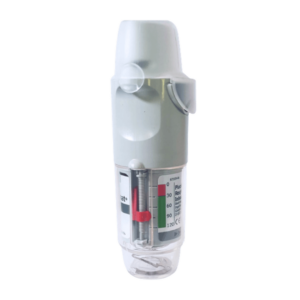
HOW DO LONG-ACTING BRONCHODILATORS HELP ASTHMA?
Long-acting bronchodilators work to relax the muscles around the airways. They should not be used alone or as the first option for asthma, only as an add-on. On their own, they are not a preventer treatment, as they do not reduce inflammation and swelling in your airways.
Long-acting bronchodilators last longer to help keep your airway muscles relaxed and open and most don’t work as fast as your reliever. They should be used every day. They should NOT be used in place of your prescribed reliever or anti-inflammatory reliever.
Long-acting bronchodilators may be found in a separate inhaler (to be used as an add-on together with a preventer inhaler) or are included as part of a combination preventer inhaler.
POSSIBLE SIDE EFFECTS OF SPIRIVA RESPIMAT
Some side effects of Spiriva may include:
- Sore mouth, gums or throat
- Swollen, red, sore tongue
- Dry mouth
- Oral thrush
- Hoarse voice
- Nose bleeds
- Coughing
- Dizziness
- Heartburn, constipation
- Dry skin or rash
Other side effects may also be experienced, including some more serious side effects. For a full list of potential side-effects, read the Consumer Medicine Information
For information and medical advice on how to treat your asthma, speak to your doctor or pharmacist
For free information and support about your asthma, speak to one of our Asthma Educators on 1800 ASTHMA | 1800 278 462, or visit asthma.org.au
Last reviewed: 20/03/2026