





 1800 278 462
Relievers: Blue Reliever Inhalers
Other names: Short Acting Relievers, Short Acting Beta Agonists (SABA), Short Acting Bronchodilators
Includes medicines such as salbutamol (Airomir, Asmol, Ventolin, Zempreon) and terbutaline (Bricanyl).
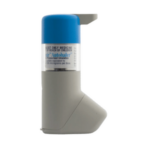
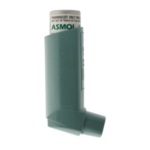
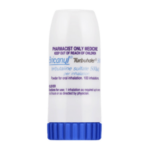
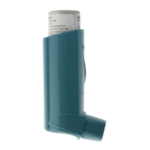
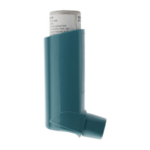
HOW DO BLUE RELIEVERS HELP ASTHMA?
Blue Relievers are fast-acting medicine that quickly relieve asthma symptoms like coughing, wheezing, being short of breath and having a tight chest. They help to relax the muscles that are squeezing tight around the outside of the airways.
They work within minutes and can last for up to four hours. They are often used in Asthma First Aid.
Relievers can sometimes be used 15 minutes before an activity or sport to help prevent asthma symptoms. Ask your doctor to include this on your Asthma Action Plan if this is right for you.
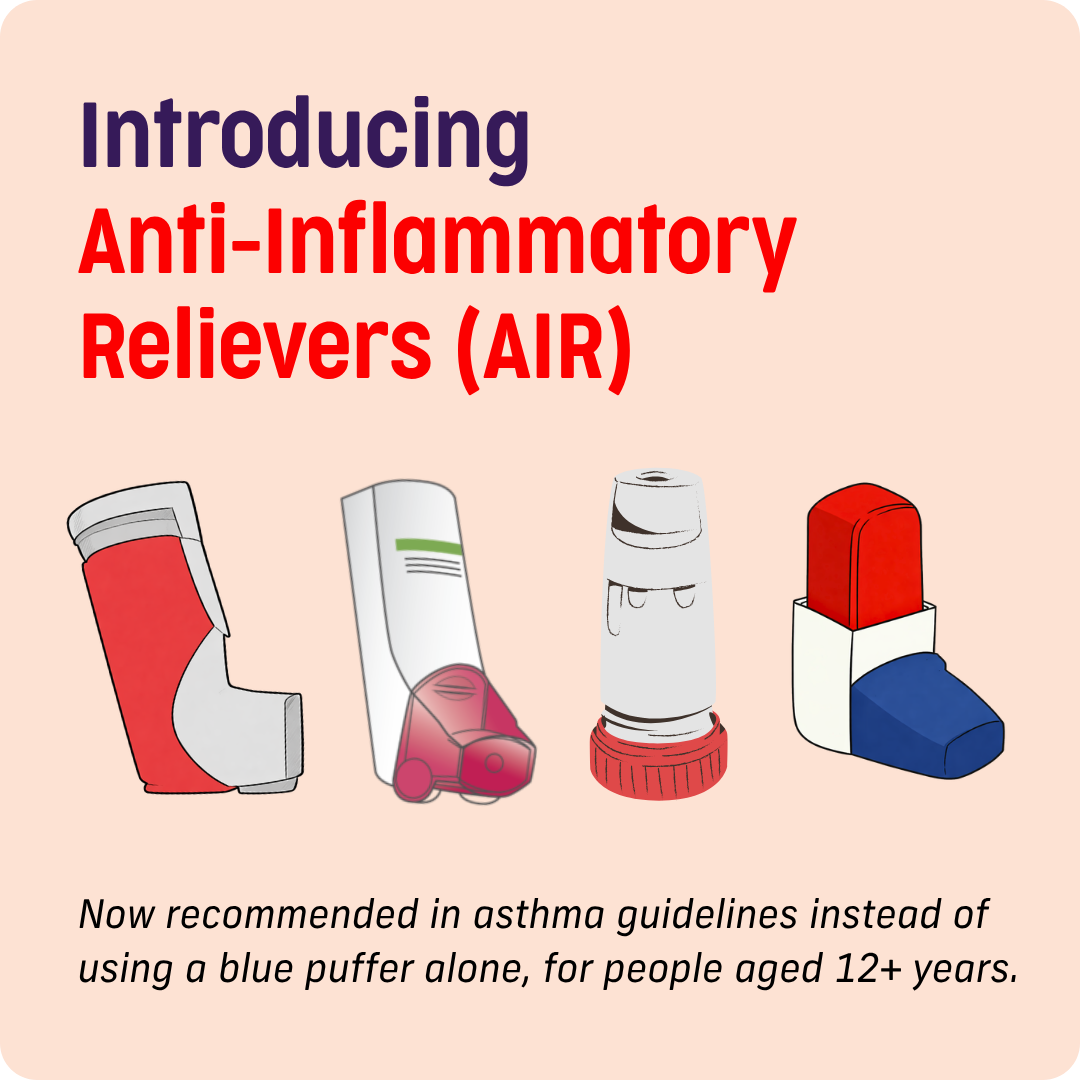
For people 12 years and over, blue relievers are not recommended as your only asthma medicine. All adults and adolescents with asthma should use some kind of anti-inflammatory inhaler. This could be using a daily preventer alongside a blue reliever, OR using an anti-inflammatory reliever alone.
Children under 12
Blue puffers are the recommended reliever for children under 12. A doctor will judge if a child needs a preventer based on the child’s symptoms and how often they happen.
If your child is 12 or older, talk to their doctor about anti-inflammatory inhalers and if they may help protect your child’s lungs in the long-term.
WHY CAN’T I JUST USE MY BLUE RELIEVER PUFFER?
 |
 |
Asthma causes inflammation inside the lungs, leading to swelling and extra mucus. This makes your airways very sensitive. When something triggers your asthma, the airways tighten and it becomes harder to breathe.
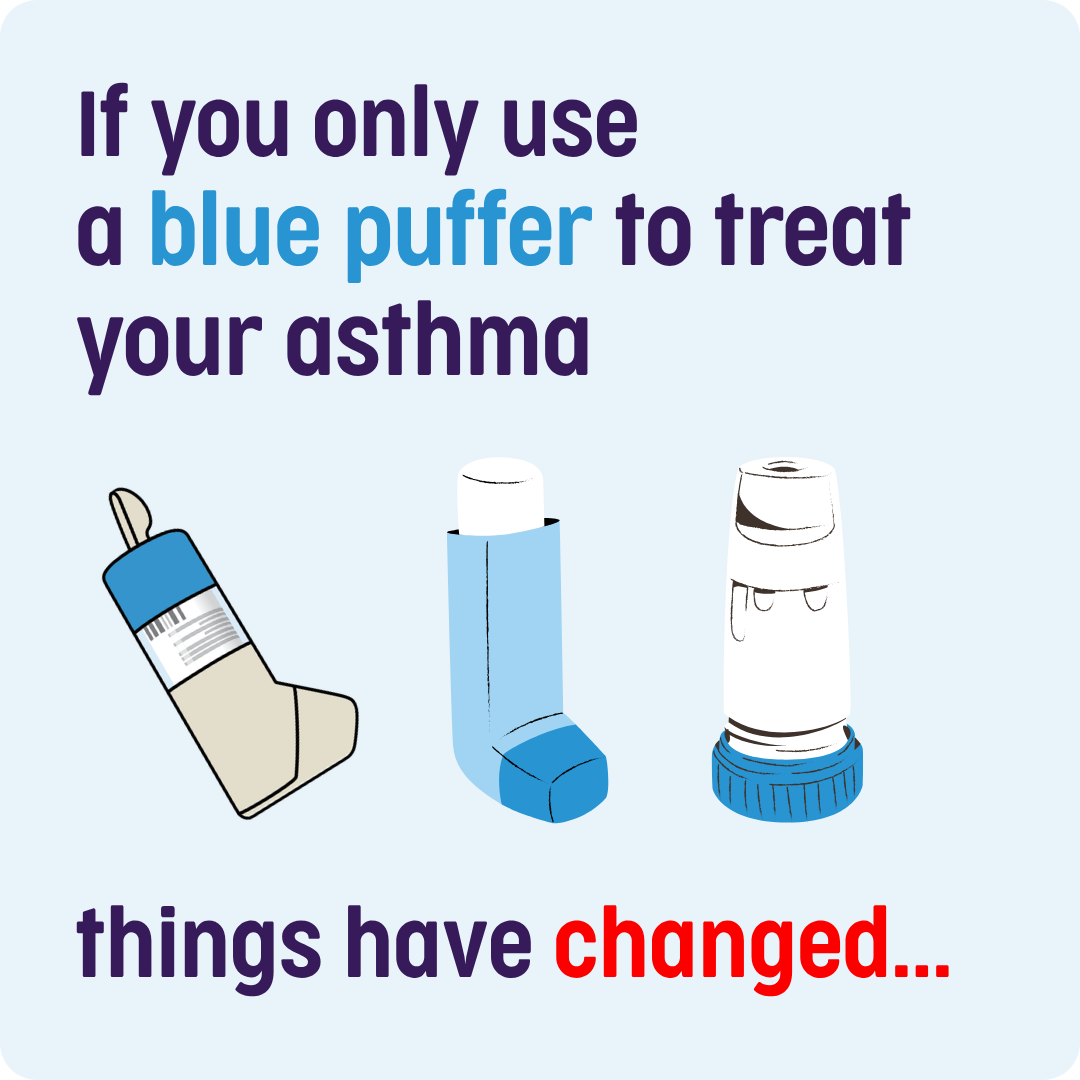
If you only use a blue reliever to treat your asthma, you relax the airways, treating the symptoms but not the cause. This means your airways are more likely to react to triggers and are not protected from the increased risk of an asthma attack.
People who rely too much on their blue reliever have a higher chance of severe and even life-threatening asthma attacks.
If you only have a blue puffer right now, talk to your doctor about whether using an anti-inflammatory inhaler could be right for you.
HOW OFTEN ARE YOU USING YOUR RELIEVER?
Relievers are an important medicine used to relieve your asthma symptoms. However, if you use a blue reliever, it’s important to know if you are using it too much.
Find out if your asthma is on target now by completing the Asthma Control Questionnaire and getting your asthma score.
DOSE COUNTER ON BLUE RELIEVER PUFFERS
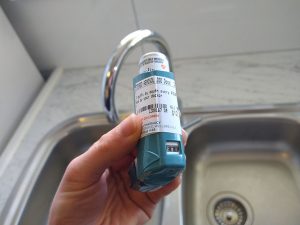
Blue relievers have dose counters allowing you to check how many puffs you have left. Writing the date on the canister helps you track how long your puffer lasts. Puffers (metered dose inhalers) with a dose counter are more sensitive to blockage, so it is important to clean your puffer weekly to keep it working.
View cleaning instructions here for Asmol, Ventolin, and Zempreon.
SIDE EFFECTS OF BLUE RELIEVERS
Some side effects of blue relievers may include:
- Head/mood
- Headache
- Agitation
- Restlessness
- Muscles/joints
- Feeling shaky (tremors)
- Tense
- Heart/metabolism
- Increased heart rate
- Palpitations
- Stomach/gut
- Nausea
Blue puffers can also cause more serious side effects. For a full list of side effects, check the Consumer Medicine Information (CMI) for your blue puffer here: https://www.ebs.tga.gov.au/
For medical advice on how to best treat and manage your asthma, speak to your doctor or pharmacist.
Last updated: 29/04/2026