






 1800 278 462
Research Led by Dr Ryan Mackle in Partnership with Asthma Australia
In New South Wales, more than 10,000 children present to emergency departments with asthma each year, experiences that are often frightening and stressful for families. In many cases, these hospital visits are preventable with the right education, follow-up care and support at home. For families in rural and regional areas, this challenge is made worse by limited access to paediatric asthma specialists, who are usually based in major cities. This means children often miss out on the support they need after leaving hospital.
New research by Dr Ryan Mackle and his team, supported by Asthma Australia, is now working to close this gap by delivering asthma care remotely, through virtual care, to families across NSW.

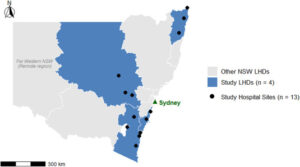
This approach supports families where they live and helps them work with health professionals to develop asthma care plans that fit their child’s needs.
What did the study find?
The Asthma Care from Home project provided nearly 200 children and their families who’d been to an Emergency Department because of their asthma with an asthma information pack, online resources and text reminders to follow up with their GP. Those with poorly controlled asthma were also offered a virtual home visit with a paediatric nurse to talk through symptoms, triggers at home and any concerns after leaving hospital.
This resulted in:
- 69% decrease in Emergency Department visits
- 81% decrease in hospital stays
- A significant improvement in asthma symptoms and quality of life
The tailored information and personalised support helped parents feel more confident managing asthma at home, while families and health professionals alike valued the virtual home visits with local nurses.
What happens next?
The lasting improvements seen in this project show why this model of care is critical for children in regional and rural communities living with asthma, with both families and health professionals keen to see it continue.
Expanding the use of digital tools and embedding the program into nurses’ everyday work will be key to sustaining the approach long term – so more children with asthma can stay well and out of hospital.
Read about Dr Mackle’s research here.
Reference
https://www.resmedjournal.com/article/S0954-6111(25)00507-4/fulltext