





 1800 278 462
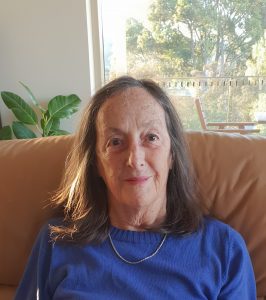
When the cold winter winds sweep into Tasmania and wood heater smoke fills the air, retiree Mary Keller knows it’s time to close the doors, seal the windows, and protect her lungs until warmer weather returns.
Mary wasn’t always this cautious. In fact, her asthma diagnosis only came recently – at the age of 72.
“It was never in our family. I never had it as a child or anything, and it was totally unexpected,” she said.
Mary’s experience is an example of adult-onset asthma, a condition that can emerge later in life and is often overlooked or misattributed to ageing.
Asthma isn’t just a childhood condition
 Asthma is often thought of as something children grow out of – but the reality is very different.
There are nearly 2.8 million Australians living with asthma, making it one of the most common chronic health conditions in the country. But importantly, asthma affects people across the entire life course, and for many – particularly women – the burden increases with age.
Recent data highlights just how significant this is:
- 1 in 5 adult Australian women (20.1%) report having asthma
- Women experience far higher rates of asthma than men, especially in mid-life and beyond
- Women account for the majority of asthma hospitalisations and deaths
In 2024 alone, 478 Australians died from asthma – two-thirds of them women, with half of those deaths occurring in women aged 75 and over.
Mary didn’t know any of this when her symptoms began.
“I just thought I was getting unfit”
“I just noticed a couple of years ago, when I walked uphill, I was puffed… when I walked up the stairs I was puffing,” Mary said.
“I thought, ‘Heavens, maybe there’s something wrong with my heart’.”
Like many Australians, Mary initially dismissed her symptoms. Breathlessness is often put down to ageing, fitness or other health conditions – especially for women.
But asthma can begin at any age, including in your 50s, 60s or 70s.
A simple lung function test confirmed Mary’s diagnosis.
“I just thought, ‘Goodness, that’s a bit late in the piece to be getting something like that’,” she said.
“I always thought it was a childhood disease.”
Why women are disproportionately affected
Asthma is increasingly recognised as a women’s health issue, not just because more women live with it, but because they experience a greater burden across their lives.
Data shows:
- Asthma is the 4th leading cause of disease burden for women aged 35-44
- Women account for 70% of asthma hospitalisations in people aged 30-69
- Many women experience a hidden burden, including higher rates of anxiety, psychological distress, and poorer overall health outcomes
At the same time, there are gaps in care:
- Only 66% of women use preventer medication regularly
- Just one-third have a written Asthma Action Plan
This highlights the importance of early diagnosis and ongoing management, especially for women later in life.
Managing asthma later in life
For Mary, getting the right diagnosis made all the difference.
Her doctor prescribed both a reliever and a preventer, helping reduce her risk of flare-ups. She has also learned to manage her triggers – particularly cold air and smoke.
“I was surprised… getting asthma now, in my dotage,” she said.
“But I’m managing it – I just have to keep away from the woodfire heaters… and the cold.”
Tasmanian winters can make that challenging.
“And we’ve had a lot of cold weather lately, and consequently there’s a lot of wood smoke about the place,” she said.
“I’m avoiding it as much as I can – and looking forward to summer.”
Don’t ignore the signs
Mary’s story is a powerful reminder that breathlessness isn’t something to brush off – at any age.
Asthma Australia recommends speaking to your doctor and being tested for asthma, particularly if you are over 50, if you notice you are:
- getting puffed more easily
- struggling with cold air
- or reacting to smoke or pollution
“The thing is, if people do feel puffed, they need to seek their doctor’s advice earlier rather than later,” Mary said.
A lifelong condition – but manageable
Asthma may begin in childhood for some – but for others, like Mary, it arrives much later.
The key is recognising it early, understanding your triggers, and getting the right support.
Because with the right care, asthma doesn’t have to hold you back – even when winter sets in.
If you have any questions about your asthma, you can speak to an Asthma Educator for free by calling 1800 ASTHMA (1800 278 462) or book a call for a time that suits you.