





 1800 278 462

1 in 5 Australian women live with asthma.
Are you getting the care you deserve?
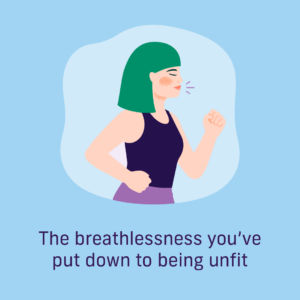
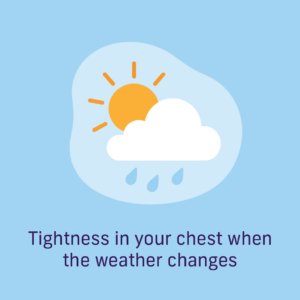
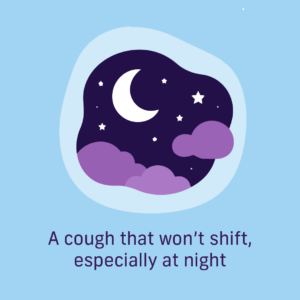
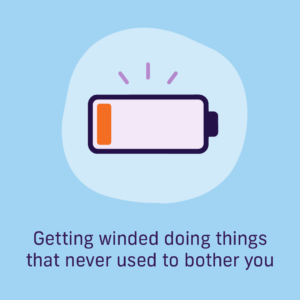
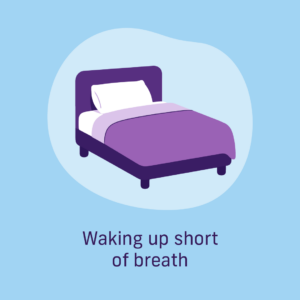
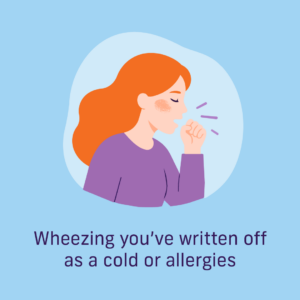
Does any of this sound familiar?
These are common signs of asthma, and they’re worth getting checked. Learn more about asthma symptoms here.
You don’t have to figure this out alone
This online tool will help you prepare for an asthma review with your doctor

The numbers are clear
|
Asthma Stats – Older Girls and Women
Asthma doesn’t stay the same across your life
Hormonal changes at puberty, pregnancy and menopause can all change how asthma affects you.⁵ˑ⁶ˑ⁷ Here’s what to look out for at every stage.
-
Adolescence
After puberty, asthma becomes more common in girls than boys, and it often stays. If your daughter has asthma, her teens are a time to pay closer attention, not less.²ˑ⁵ˑ⁶ˑ⁷
-
Reproductive Years (20s-40s)
During your peak working and caregiving years, asthma is a major contributor of ill health for women.⁸ If your symptoms are getting worse or harder to manage, it’s not in your head.
-
Pregnancy
Asthma is one of the most common chronic conditions in pregnancy.4 Hormonal changes may shift your symptoms, and most preventer treatments are safe to continue. This is a time to review your plan, not stop your treatment.
-
Perimenopause and Menopause
Hormonal shifts can trigger new asthma symptoms or make existing asthma harder to control.⁹ If your breathing has changed, it’s worth a conversation with your doctor.
Not sure if life stages are affecting your asthma? Do the online Asthma Check-In and prepare for your next doctor’s visit.
Asthma can affect how you feel, not just how you breathe
- More than half (53%) of women with asthma experience high or very high psychological distress.¹
- 72% report moderate to severe anxiety or depression.¹
If you think your asthma might be affecting your mental health, that’s another good reason to get your care reviewed. You can talk to your doctor about it, even if they don’t ask.
What good asthma management looks like, and what the reality is
34% of women with asthma are not using essential anti-inflammatory inhalers.1
A blue reliever helps relax your airways in the moment. But anti-inflammatory inhalers help reduce the inflammation that causes symptoms in the first place. Taking your inhaler as prescribed can mean fewer flare-ups and asthma attacks, and better quality of life. Learn more about the latest asthma guidelines.
Only 1 in 3 women with asthma have a written Asthma Action Plan.¹
An Asthma Action Plan is a simple, personalised guide your doctor creates with you. It tells you what to use, when to use it, and what to do if things get worse. It can be the difference between controlled and uncontrolled asthma.
Signs to update your Asthma Action Plan
If you experience any of the below, see your doctor for an asthma review and update of your Asthma Action Plan.
- You’re using your reliever more than twice a week
- You wake up at night coughing or short of breath
- You’re avoiding activities because of your breathing
- You’re pregnant or planning to be
-
- Your symptoms have changed with age or hormonal changes
-
- You haven’t reviewed your Asthma Action Plan in the past 12 months
Women deserve to have their breathing health considered as part of their overall health.
Asthma is rarely discussed in routine women’s health conversations, despite affecting up to 1 in 5 Australian women.¹ It’s not consistently included in Medicare-funded health assessments, even at life stages where breathing health is most likely to change.²ˑ⁵ˑ⁶ˑ⁷ˑ⁸
We are calling on the Australian Government to put asthma on the Women’s Health agenda and to fix the Medicare health check gap for women.
Learn more about women and girls with asthma
It’s time to put asthma on the Women’s Health agenda.


-
References
- Reddel H, . The burden of asthma in Australian women.. 2024 National Breathlessness Survey . Australian Centre for Airways Disease Monitoring (ACAM), Woolcock Institute of Medical Research. Macquarie University, Sydney. Commissioned by Asthma Australia
- Australian Bureau of Statistics (ABS). Asthma, National Health Survey, latest release. www.abs.gov.au/statistics/health/health-conditions-and-risks/asthma/latest-release
- Australian Bureau of Statistics (ABS). Causes of Death, Australia, 2024. www.abs.gov.au/statistics/health/causes-death/causes-death-australia/2024
- Asthma in Pregnancy Toolkit. Asthma in pregnancy. https://asthmapregnancytoolkit.org.au/asthma-in-pregnancy/
- Almqvist C, Worm M, Leynaert B. Impact of gender on asthma in childhood and adolescence: a GALEN review. Allergy, 2008;63(1):47–57.
- Fuseini H, Newcomb DC. Mechanisms driving gender differences in asthma. Current Allergy and Asthma Reports, 2017;17(3):19.
- Shah R, Newcomb DC. Sex bias in asthma prevalence and pathogenesis. Frontiers in Immunology, 2018;9:2997.
- Australian Institute of Health and Welfare (AIHW). Australian Burden of Disease Study 2024. www.aihw.gov.au/reports/burden-of-disease/australian-burden-of-disease-study-2024
- Zaibi H, Touil A, Fessi R, Ben Amar J, Aouina H. Asthma in Menopausal Women: Clinical and Functional Particularities. Tanaffos, 2020;19(3):216–222.