






 1800 278 462
SummaryAsthma phenotypes help healthcare professionals better understand your asthma. Severe asthma isn’t the same for everyone. Some people have different patterns of airway inflammation that can help specialists identify which management options may be suitable. These patterns are called asthma phenotypes. The three main inflammatory asthma phenotypes linked to specialised treatment in Australia are: – Allergic asthma (associated with allergic inflammation) – Eosinophilic asthma (associated with high eosinophil levels) – Non-eosinophilic asthma (where common inflammation markers are low or normal) If you continue to have asthma symptoms despite using your asthma medicines as prescribed, talk to your doctor about whether referral to a respiratory specialist may be helpful. |
What Is An Asthma Phenotype?
An asthma phenotype is a group of asthma features that tend to occur together. Certain patterns are common and they get grouped together as a ‘type’ of asthma.
Phenotypes apply to all kinds of asthma, not just severe asthma. Some people with severe asthma have patterns of inflammation that help healthcare professionals decide whether certain treatments may be suitable. Some people may have features of more than one asthma phenotype.
Understanding your asthma phenotype can help you have more informed conversations with your healthcare team about your asthma and the support that may be right for you.
Key Terms Explained
-
Treatable trait
A factor that may contribute to asthma symptoms and can often be identified and managed.
-
Phenotype
A pattern of characteristics associated with a particular type of asthma.
-
Biomarker
Objectively measurable characteristic that can be compared to normal ranges to understand body processes. They can give your doctor information about your asthma and how it may be affecting your airways.
-
IgE (Immunoglobulin E)
A immune system biomarker involved in allergic reactions.
-
Eosinophil
A type of white blood cell that can contribute to inflammation in the airways.
-
FeNO (Fractional Exhaled Nitric Oxide)
A quick breathing test that measures the level of nitric oxide in your breath. Higher FeNO levels can be a sign of airway inflammation, which is common in some types of asthma.
Biologics and Asthma Phenotypes
Biologics (also known as monoclonal antibodies) are a type of prescription medicine that may be suitable for some people with severe asthma. These medicines target specific types of airway inflammation and are only suitable for certain asthma phenotypes. Assessment is carried out by a respiratory specialist.
To better understand your asthma, a specialist may use a range of tests to identify your asthma phenotype (type of asthma) and assess the inflammation associated with your symptoms. This information can help guide decisions about your asthma management and whether specialised treatments may be appropriate.
If you continue to have asthma symptoms despite using your asthma medicines as prescribed, talk to your GP or healthcare professional about whether referral to a respiratory specialist may be helpful.
What Are Asthma Phenotypes?
Allergic Asthma
Allergic asthma is a type of asthma associated with allergic inflammation involving Immunoglobulin E (IgE). If your asthma has been confirmed and is triggered by allergens such as dust mites, pollen or pet dander, your healthcare team may assess whether allergic inflammation is contributing to your symptoms.
The Clues:
- You also have allergic conditions such as hay fever or eczema.
- Your asthma symptoms are triggered or worsened by exposure to allergens.
- Allergy testing shows sensitisation to common allergens, or blood tests show allergen-specific IgE antibodies.
There are medicines available through the PBS for eligible people with severe allergic asthma.
Eosinophilic Asthma
Eosinophilic asthma is a type of asthma driven by a specific type of white blood cell called an eosinophil. It often begins in adulthood and can be associated with ongoing symptoms and frequent asthma flare-ups despite treatment.
The Clues:
- Your asthma has been confirmed and you continue to have symptoms or asthma attacks despite using your prescribed preventer treatment.
- Blood tests show elevated eosinophil levels, even while taking inhaled corticosteroid (preventer) treatment.
There are medicines available through the PBS for eligible people with severe eosinophilic asthma.
Non-Eosinophilic & Non-Allergic
Non-eosinophilic and non-allergic asthma is a type of asthma where symptoms are not driven by the same inflammation seen in allergic or eosinophilic asthma. It may be associated with factors such as obesity, smoking, chronic airway infection, or other treatable traits.
This is a more complex category where the common inflammation markers are low or normal, even when asthma symptoms are persistent and troublesome. Some people may experience increased mucus production or recurrent chest infections.
The Clues:
- Your asthma has been confirmed and you continue to experience troublesome or persistent symptoms.
- Blood eosinophil levels are low or within the normal range.
- IgE levels and allergy testing may not indicate significant allergic inflammation.
- FeNO (Fractional Exhaled Nitric Oxide) is typically low or normal.
For non-eosinophilic asthma, the treatment approach shifts to identifying and managing individual treatable traits, such as smoking, obesity, chronic airway infection, mucus hypersecretion, breathing pattern disorders, or other factors that may be contributing to symptoms.
| Research into new asthma treatments and approaches is ongoing. If you are interested in participating in asthma research, speak with your specialist, who may be aware of research studies or clinical trials that are currently recruiting. |
Your Next Steps
Frequent symptoms (more than twice per week) and asthma attacks (flare-ups that may need urgent treatment, including oral corticosteroids or emergency care) are not normal in asthma and should not be ignored.
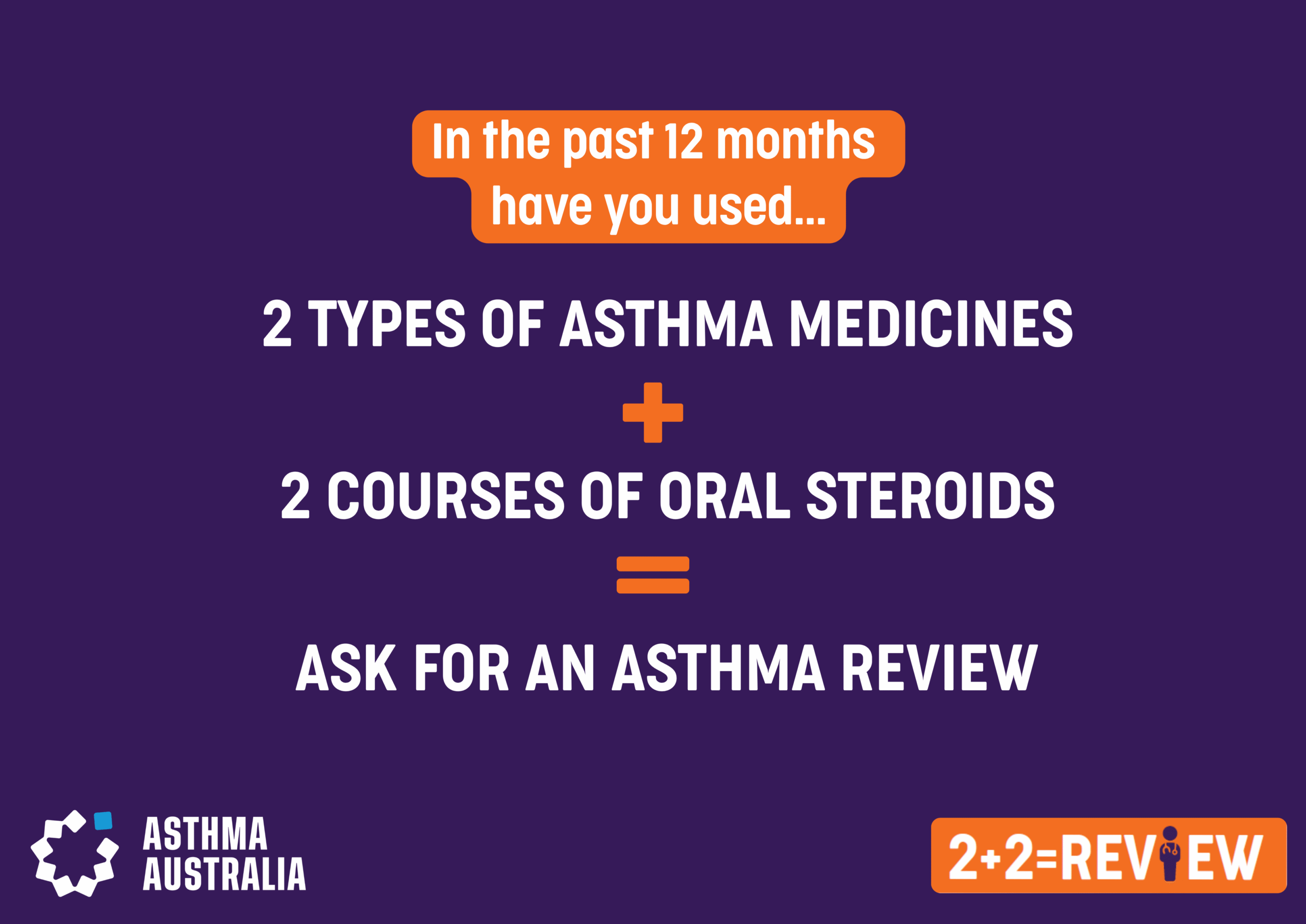
If you are already using a preventer or Maintenance and Reliever Therapy (MART) as prescribed, and you’ve still had two or more asthma attacks that needed oral steroids in the past year, book a long appointment with your doctor.
Together, you can review your asthma management, identify any treatable factors affecting your symptoms, and discuss whether specialist assessment or additional tests are needed to better understand your asthma and treatment options.
This information is general in nature and does not recommend any specific medicine or treatment. Talk to your doctor or healthcare professional about the management options that may be appropriate for you.

Published date: 25/08/2026