





 1800 278 462
Monoclonal Antibodies
Also known as biologics, biologic therapies or injectables.
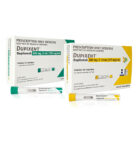
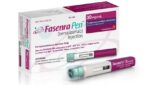
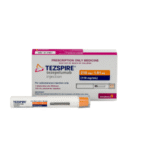
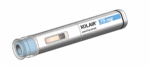
Includes medicines such as benralizumab (Fasenra), dupilumab (Dupixent) mepolizumab (Nucala), omalizumab (Omlyclo, Xolair) and tezepelumab (Tezspire).
Why You Might Need Monoclonal Antibodies
Monoclonal antibodies, also called biologics, are for specific types of severe asthma. Severe asthma is asthma that remains uncontrolled despite high-dose combination preventer or maintenance oral corticosteroids, or asthma that requires such treatment to prevent it becoming uncontrolled. Between 3%-10% of adults with asthma have ‘severe asthma’. Severe asthma is sometimes also called ‘severe refractory asthma’ or ‘severe treatment-resistant asthma’.
Your asthma specialist will conduct tests to figure out which monoclonal antibody will target your specific type of asthma. These might include:
- blood tests
- breathing tests
- scans and investigations of the chest and lungs
- skin prick testing
- sputum testing.
How do Monoclonal Antibodies help Severe Asthma?
Monoclonal antibodies target pathways in the immune system that cause the airway inflammation seen in asthma. You will only respond to a particular treatment if that specific pathway is the cause of your severe asthma.
Eligibility for Monoclonal Antibodies
You will need a diagnosis of severe asthma to have monoclonal antibodies prescribed.
Often people mistake uncontrolled asthma for severe asthma.
- Monoclonal antibodies can only be prescribed by a specialist.
- These medicines are subsidised for use by the PBS provided certain strict criteria are met.
- To be eligible to start subsidised monoclonal antibody therapy under the PBS, you must be under the care of the same specialist for at least a six-month period. (This can be less if you have received a diagnosis by a multidisciplinary asthma clinic team.)
- Reviews must be carried out by the specialist at set times for continuing PBS-funded treatment.
How Do You Take Monoclonal Antibodies?
Generally, monoclonal antibodies are delivered by injection every two to eight weeks.
After treatment is started by a specialist, your ongoing doses can be given by your doctor. Some monoclonal antibodies are available as a pre-filled syringe for you to give yourself at home.
Side Effects of Monoclonal Antibodies
Some side effects of monoclonal antibodies may include:
- Head/mood
- Fever
- Headache
- Throat/mouth
- Nasal, throat or chest infection
- Muscles/Bones
- Bruising, redness or pain at injection site
- More serious side effects, including allergic reactions
You can search and read the Consumer Medicine Information (CMI) for the biologic you have been prescribed here: https://www.ebs.tga.gov.au/ebs/picmi/picmirepository.nsf/PICMI?OpenForm&t=CMI&q=&r=/
For treatment and medical advice, talk to your GP or specialist.
Last updated: 2/07/2026