





 1800 278 462
Thunderstorm asthma

Thunderstorm asthma can be very serious for people with asthma. The peak time for thunderstorm asthma is mainly spring but can extend to December during the grass pollen season.
Your local media may announce ‘thunderstorm asthma alerts’ on days when there is a high risk.
WHO IS AT RISK OF THUNDERSTORM ASTHMA?
You may be at higher risk if you:
- Have hay fever
- Have current asthma
- Have a history of asthma
- Experience asthma symptoms during spring
- Are sensitive to grass pollen
The chance of having thunderstorm asthma is highest for adults who are sensitive to grass pollen and have seasonal hay fever (with or without known asthma). The worst outcomes are in people with poorly controlled asthma.
Check your asthma score online. If your score is not in the target range, see your doctor urgently to get your asthma more stable this thunderstorm asthma season.
Take The Asthma Control Questionnaire
What causes thunderstorm asthma?
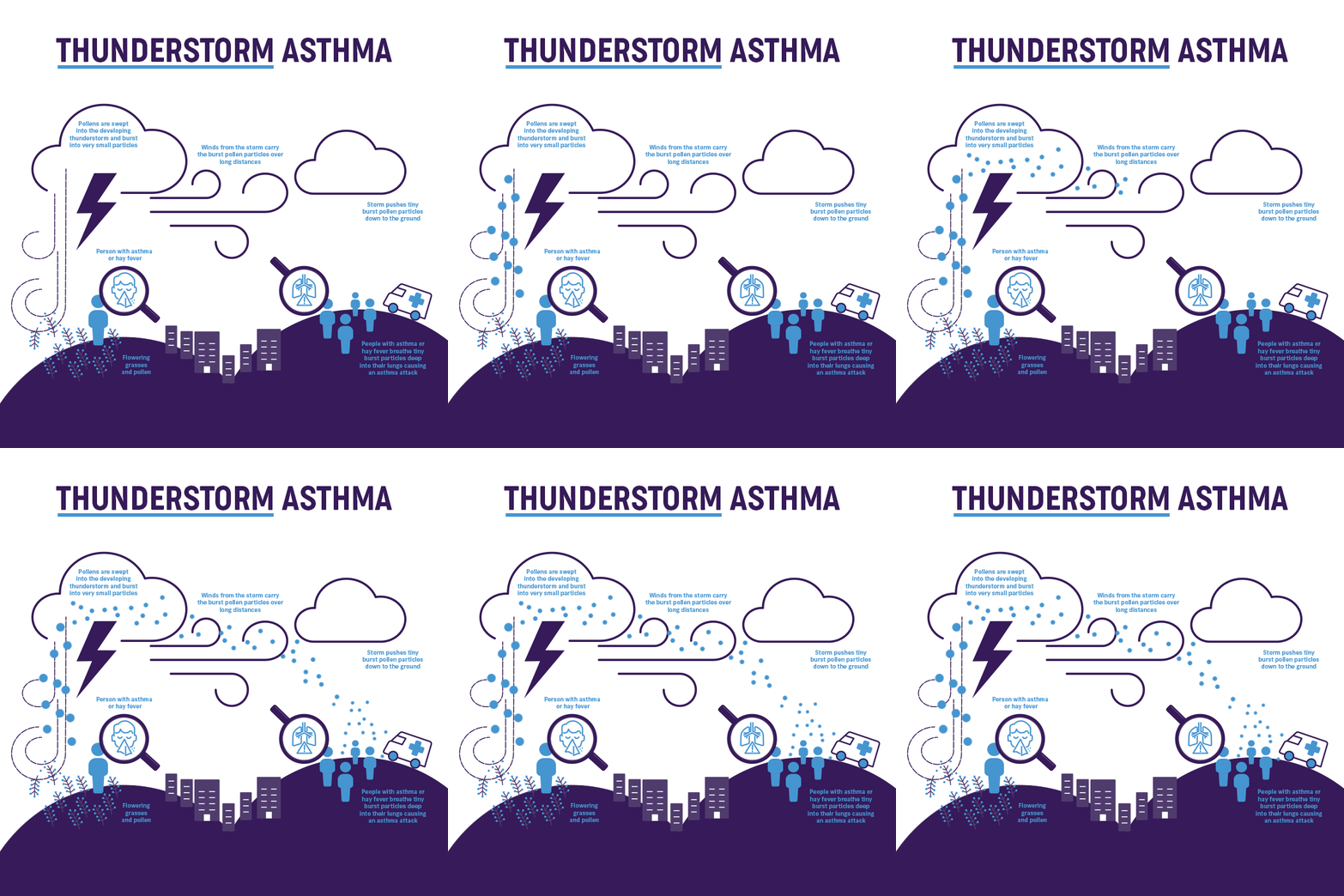
Thunderstorm asthma events are thought to be triggered by an unusual mix of high levels of grass pollen and a certain type of thunderstorm. During these storms tiny pollen grains from grasses can be swept up in the wind and carried long distances.
When exposed to this air, the tiny particles of pollen are breathed deep into your lungs, triggering an asthma flare-up or attack.
Additional Resources
Click here to view additional thunderstorm asthma information and resources from Better Health Channel – available in multiple languages.
How to prepare for thunderstorm asthma season
To lower the chance of having thunderstorm asthma, it is best to have good asthma management year-round.
Get ready by:
- listen up for any thunderstorm asthma announcements/alerts
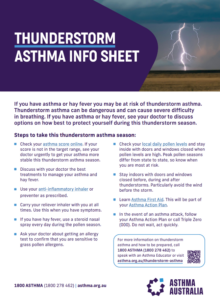
- using your anti-inflammatory inhaler or preventer as prescribed especially during the spring thunderstorm season
- keeping your hay fever under control and taking any necessary hay fever treatment
- checking your local daily pollen levels and stay inside with doors and windows closed when pollen levels are high. Peak pollen seasons differ from state to state, so know when you are most at risk.
- being prepared. Have your scripts and supply of your asthma and hay fever medicines ready for the thunderstorm asthma and pollen seasons.
Prepare Now – Download the Checklist
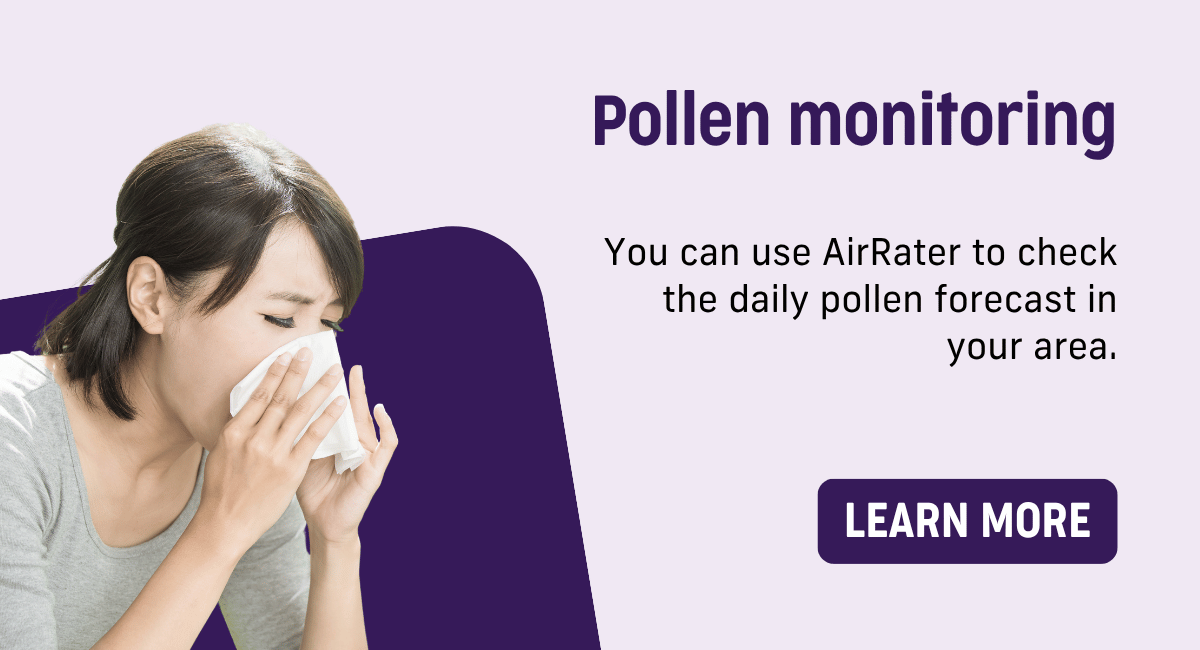
Pollen monitoring for thunderstorm asthma
Victorian Epidemic Thunderstorm Asthma event.
On 21 November 2016, Victoria experienced the world’s largest recorded thunderstorm asthma event. A severe thunderstorm triggered asthma symptoms in thousands of people, causing breathing difficulties and placing significant pressure on ambulance services and hospitals.
The event showed that thunderstorm asthma can affect people in both city and regional areas, including some people who do not have asthma. People with seasonal hay fever were at the highest risk. People with asthma who were not using their preventer medication were also more likely to have severe symptoms.
Key takeaway: Thunderstorm asthma can be serious and sometimes life-threatening. If you have asthma or seasonal hay fever, understanding your risk and having a plan can help keep you safe during the pollen season.

Click the above video and learn more about thunderstorm asthma.
VicEmergency is a centralised website for Victorians to find emergency information and warnings. The website has a real-time map display with incidents across the state including thunderstorm asthma warnings.
Visit the website to download the mobile app.
Asthma Educators can answer your asthma questions
Book a FREE phone call at a time that works for you or call us direct on 1800ASTHMA (1800 278 462).